

FEATURED · IPv4
IPv4 and its challenges in 2026
Scarcity, compatibility, and planning: the challenges of expanding your operation.
Read articleVLSM.io BLOG
IPv4, IPv6, proxies, and infrastructure: technical insights for building and scaling automation.
FEATURED · IPv4
Scarcity, compatibility, and planning: the challenges of expanding your operation.
Read articleFEATURED · Subnets
Understand prefixes, masks, and block sizes with practical examples.
Read article
Scarcity, compatibility, and planning: the challenges of expanding your operation.
Read article
Understand prefixes, masks, and block sizes with practical examples.
Read article
IP Proxy is the category covering IPv4 Proxy and IPv6 Proxy. Both use IPv4:Port ingress; egress follows the selected address family and service mode.
Read article
Plan sessions, connectivity, and monitoring for more predictable data collection.
Read article
IPv4 exhaustion: official milestones, NAT and CGNAT limitations, and IPv4 Proxy, IPv6 Proxy and subnet options for your operation.
Read article
More address space and a planned transition to reduce dependence on IPv4.
Read article
Learn to divide IPv6 prefixes and plan /64 networks with /48 and /56 examples.
Read article
Learn about staffing, legacy systems, suppliers, and validation barriers to IPv6 deployment.
Read article
Understand the difference between having IPv6 on your network and using it at your application's destinations.
Read article
Understand why activation on www.gov.br does not prove coverage of every subdomain and system.
Read article
Learn to assess IPv6 compatibility across judicial portals, queries, and systems without generalizing.
Read article
Learn what dual stack and translation solve, and why IPv6 does not automatically reach every IPv4 destination.
Read article
Understand format differences and the role of translation and intermediaries between IPv4 and IPv6.
Read article
IP Proxy connects your application through IPv4:Port and organizes IPv4 or IPv6 egress according to the selected service, with static, rotating or random behavior.
Read article
Size IP Proxy by choosing IPv4 or IPv6 egress and static, rotating or random mode. Application ingress remains IPv4:Port.
Read article
CAPTCHA combines challenges and risk signals to evaluate interactions. Learn what it verifies, how it differs from authorization, and where CaptchaBroker fits within automated processes.
Read article
Meet CaptchaBroker: proprietary process humanization, intelligent automation at scale, and billing when a valid token is delivered, integrated around the complete workflow.
Read article
Compare v2 interaction, v3 scoring, and Enterprise assessments. Learn how to validate an integration, interpret failures, and plan CaptchaBroker use without confusing a token with authorization.
Read article
Explore interface automation, browsers, APIs, and document processing in business workflows.
Read article
Learn when an intermediary IPv4 exit makes sense and what to assess before subscribing.
Read article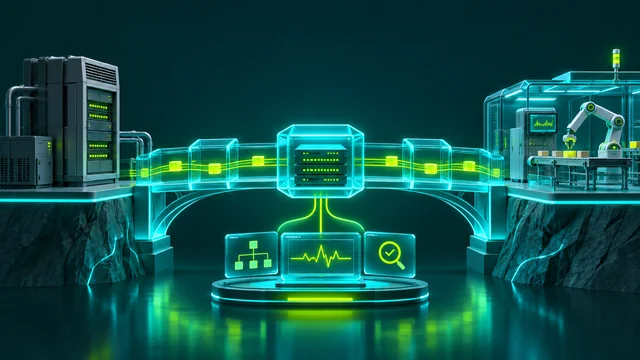
Organize connectivity and diagnostics to overcome technical barriers in automation and data collection.
Read article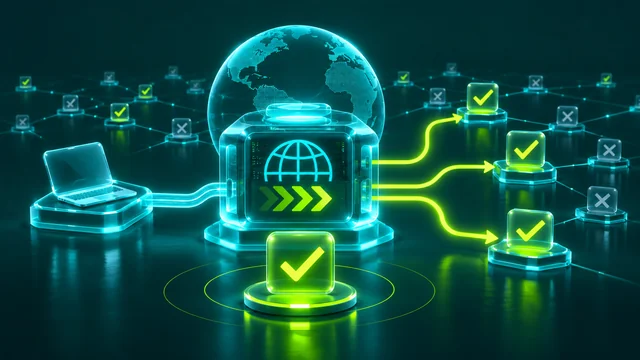
Understand IPv6 egress applications and how to check whether your destinations are ready.
Read article
The application connects to IPv4:Port and the proxy uses static IPv4 egress. Understand what stays fixed and how to validate this mode in practice.
Read article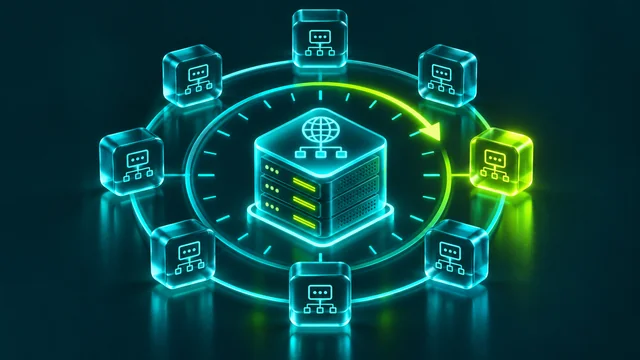
Fixed IPv4:Port ingress. Public outbound IPv4 changes at the configured interval in minutes.
Read article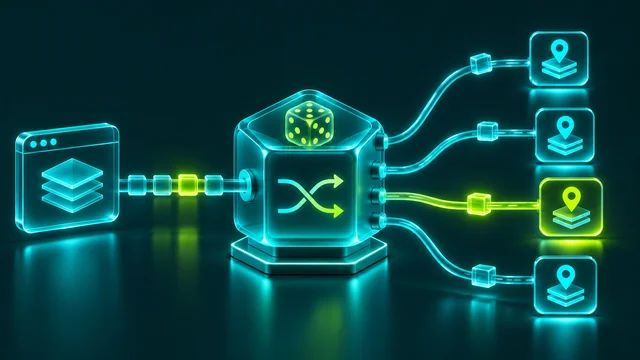
The same public IPv4 and ingress port. A different public outbound IPv4 for every new request.
Read article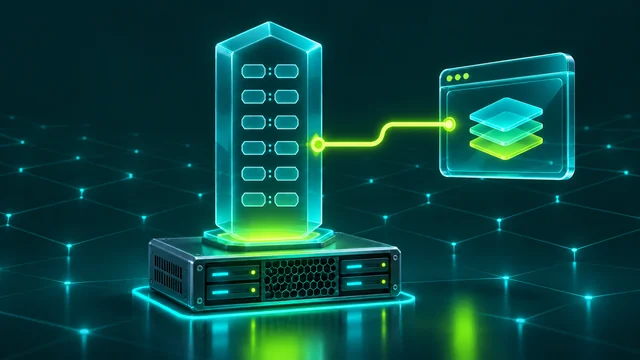
Understand static IPv6 Proxy: IPv4:Port ingress and IPv6-only egress, in a service without dual-stack delivery.
Read article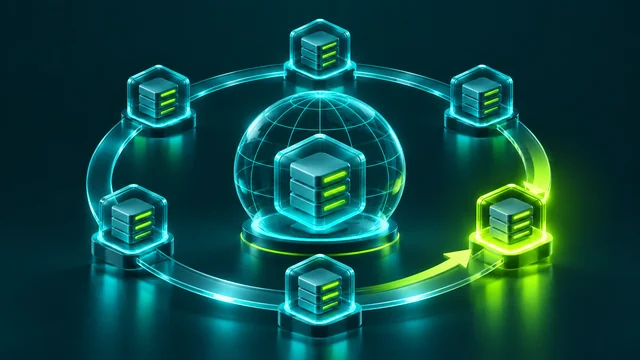
Understand rotating IPv6 Proxy: IPv4:Port ingress and IPv6-only egress, in a service without dual-stack delivery.
Read article
Understand random IPv6 Proxy: IPv4:Port ingress and IPv6-only egress, in a service without dual-stack delivery.
Read article
Plan prefixes, delivery, and capacity when leasing IPv4 subnets from /24 to /16.
Read article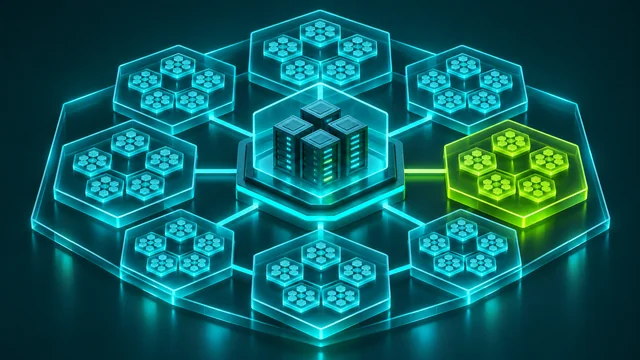
Organize your addressing with IPv6 prefixes from /56 to /29 and flexible delivery options.
Read article
Learn about Proxy Stealth and how to assess control over information exposed by legacy applications.
Read article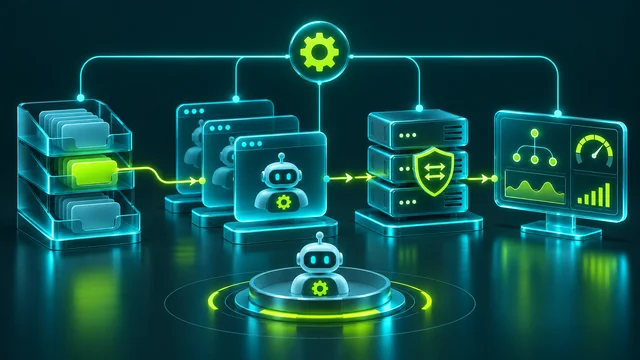
Organize sessions, queues, and network diagnostics for process automation applications.
Read article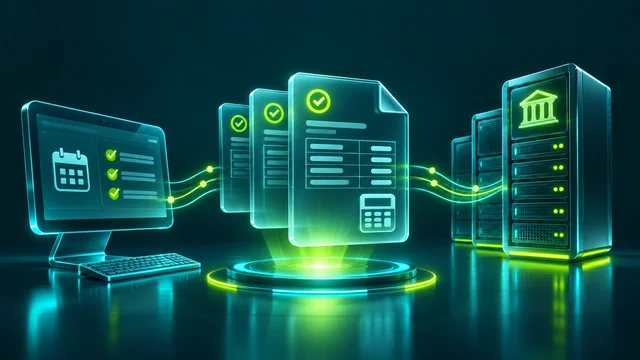
Plan lookups, documents, and tax integrations with session and result tracking.
Read article
Structure legal information queries and updates with service-specific diagnostics.
Read article
Distinguish data collection, preparation, and analysis, and size connectivity for each stage.
Read article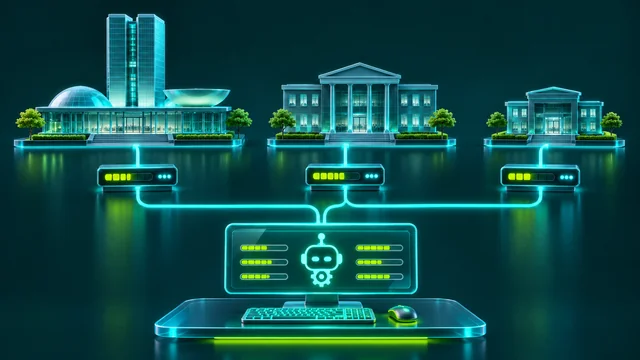
Prepare your application for federal, state, and municipal portals with different requirements.
Read article
Organize collection frequency, traceability, and updates to public datasets.
Read article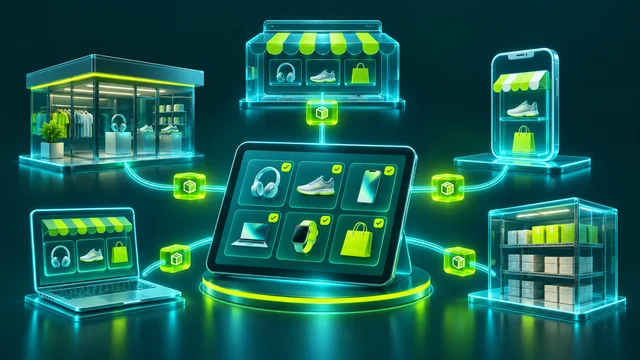
Support product monitoring and cross-channel integration with consistent data.
Read article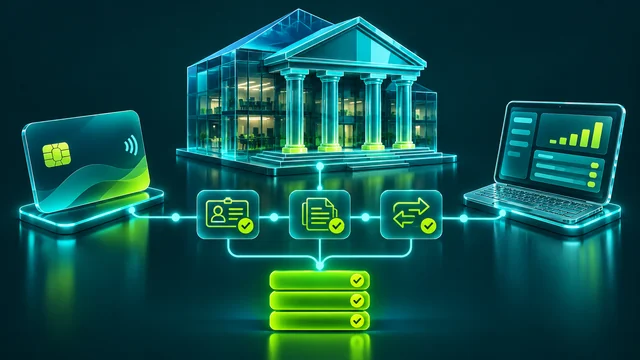
Plan connections and traceability for registration checks, applications, and reconciliation.
Read article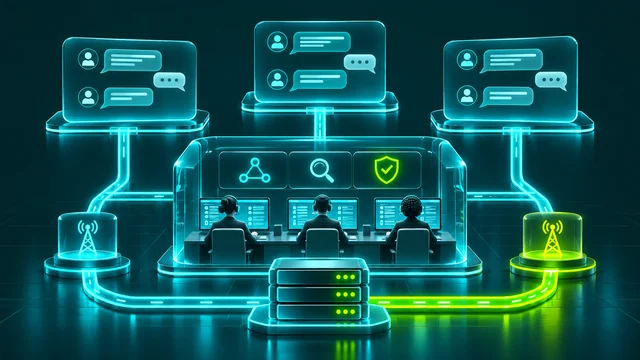
Structure connections, diagnostics, and continuity for authorized social media management operations.
Read article
Control total load per destination and understand why more IPs do not grant permission for more requests.
Read article
Understand browser-signal identification and why changing an IP does not automatically change a fingerprint.
Read article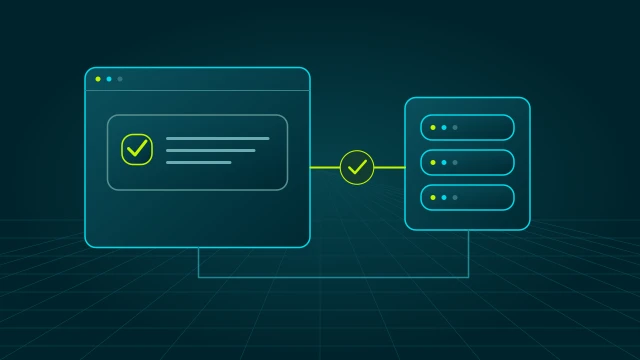
Cloudflare Turnstile combines browser verification with server validation. Understand how these stages affect forms, business automation, queues, costs, and operational continuity.
Read article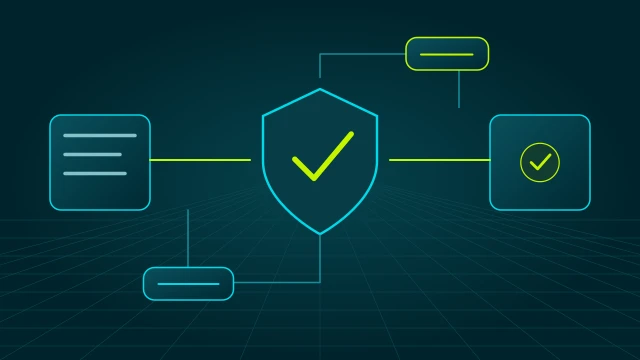
AWS WAF distinguishes interactive CAPTCHA from silent Challenge. Understand how tokens, immunity windows, and rules affect continuity in business automation.
Read article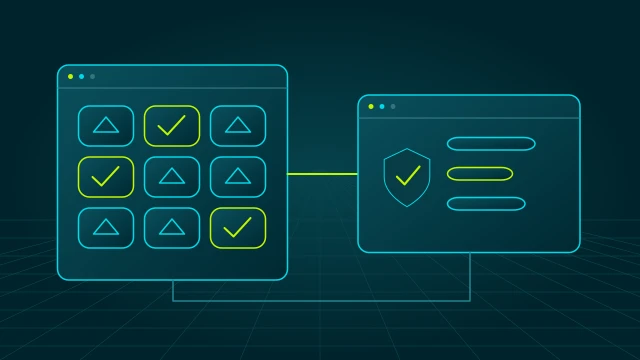
Resolving hCaptcha in automation requires understanding the deployed mode, preserving the operation’s context, and distinguishing token delivery from the application’s final decision. Explore the Enterprise differences and how VLSM.io organizes this step through proprietary technology.
Read article
Tencent CAPTCHA combines client interaction with server-side ticket verification. Understand ticket, randstr, and context, how resolution fits an automated workflow, and how to evaluate VLSM.io proprietary technology without confusing a valid token with business success.
Read articleNo articles found. Try another search term.
46 articles
Institutional references on addressing, networks and Internet protocols.